
A tracing rollout is an operating commitment: someone must be able to retrieve a relevant session, explain the failure, and route a fix to the right team. This guide covers that ownership and retention process. For reading individual steps and understanding the data model, start with the Session Tracing guide.
A trace that nobody opens cannot help an incident response. Define who investigates, which data they may access, how long evidence remains available, and how findings become regression tests. Validate that process with a real investigation drill.
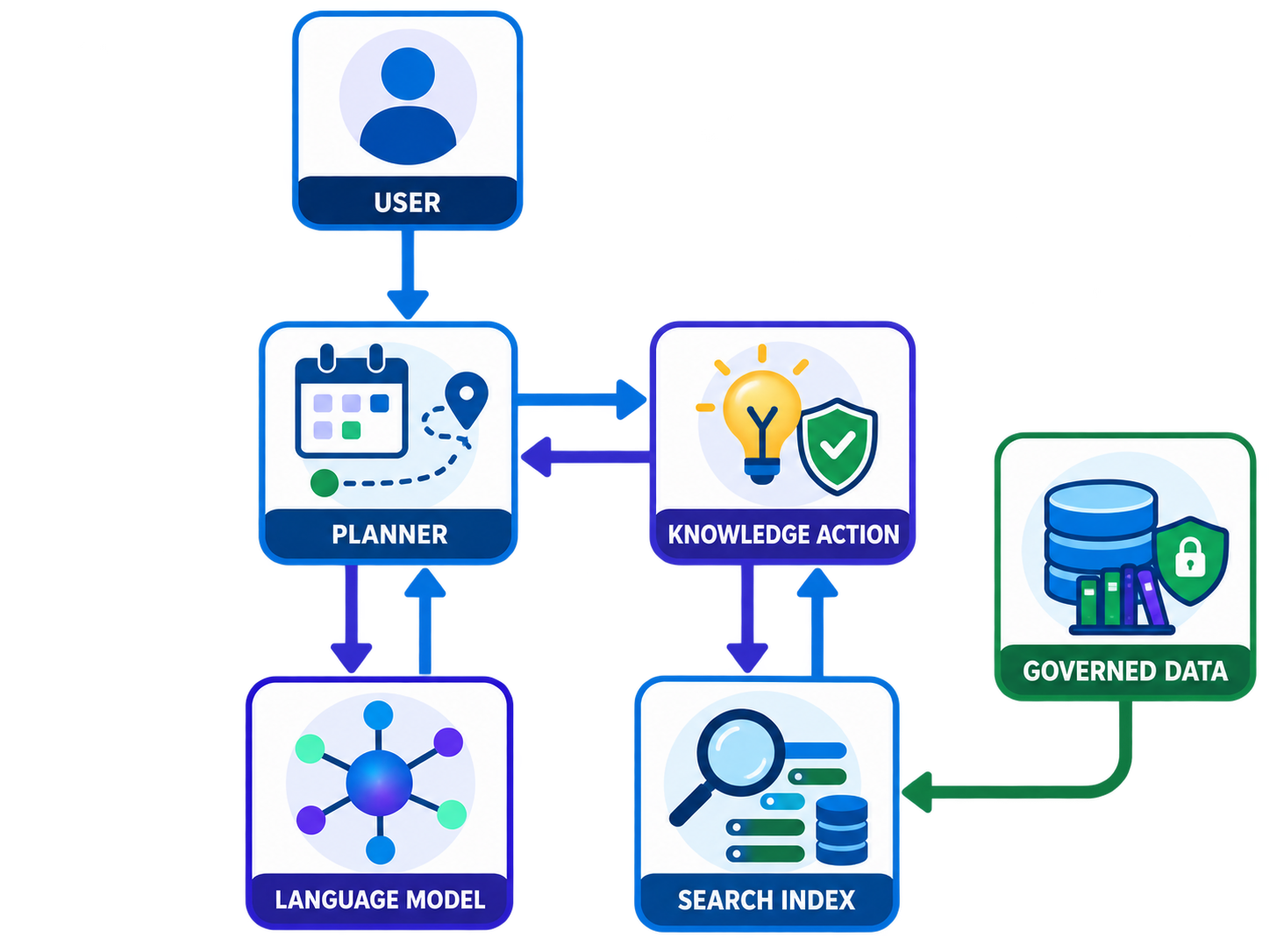
Treat the trace as the evidence layer
- Tracing connects aggregate metrics to the specific turns, actions, and data that caused an outcome.
- Retention must match your incident and audit timelines, because a deleted trace cannot be investigated.
- Ownership means one accountable person, with access and skill, not a shared mailbox or a dashboard nobody watches.
- Traces can contain customer data, so access should follow the same least-privilege rules as the data itself.
Prove the loop with a real session
- Confirm session tracing is enabled and define a retention period aligned to incident and compliance needs.
- Assign a named owner with permission to open traces and a documented investigation procedure.
- Run a drill: pick a recent flagged or low-scoring production session and have the owner reconstruct what happened end to end.
- Record drill findings and gaps in access, retention, or readability, and fix them before a real incident requires it.
Resources
This article is based on the following Salesforce learning and product documentation.