
An agent's effective access is the union of everything it can reach: object permissions, field-level security, sharing rules, flows, Apex actions, and grounded knowledge sources. Each grant may be reasonable on its own, yet the union can expose data or actions that no single reviewer ever approved together.
Reach accumulates quietly as teams add actions, topics, and integrations over time. Reviewing permissions one component at a time misses the combinations where sensitive fields, broad sharing, and a powerful action meet in a single conversation.
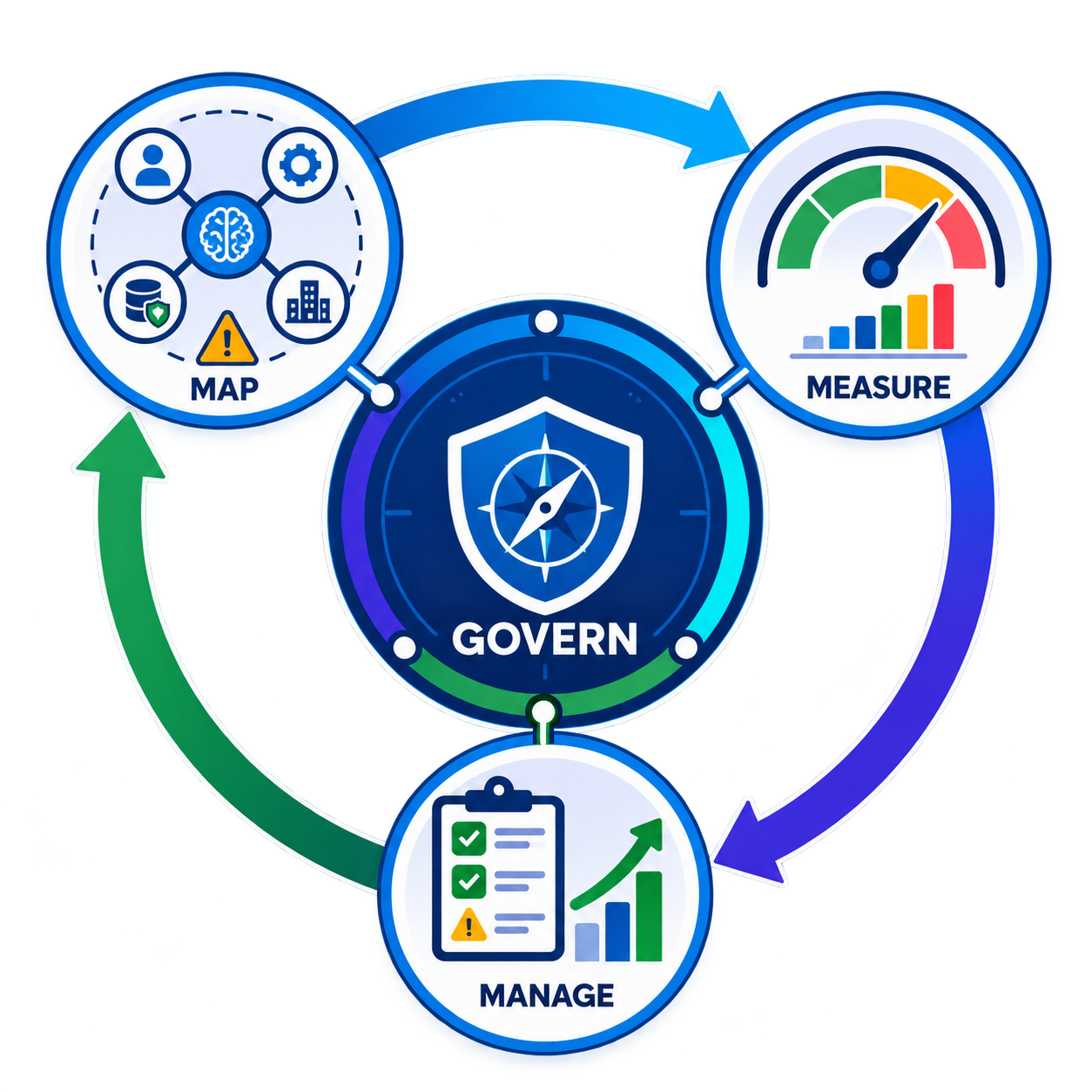
Review the union, not the parts
- Treat object permissions, FLS, sharing, and knowledge source access as one access surface for the agent user.
- Apply least privilege to the union: remove any grant the agent does not need for its defined topics and actions.
- Check grounded knowledge sources for content the agent can now surface to users who could not open those records directly.
- Re-review the union whenever actions, topics, integrations, or sharing models change, because each change reshapes the whole.
Build the combined access picture
- List the agent user's permission sets and permission set groups, then map every object, field, and Apex or flow action they grant.
- Overlay the org's sharing model to confirm which records the agent can read and act on, not just which objects.
- Inventory every grounded knowledge source and verify its contents are appropriate for the agent's audience.
- Test with real conversations as users of different profiles, and confirm sensitive fields and records stay out of responses.
Resources
This article is based on the following Salesforce learning and product documentation.